
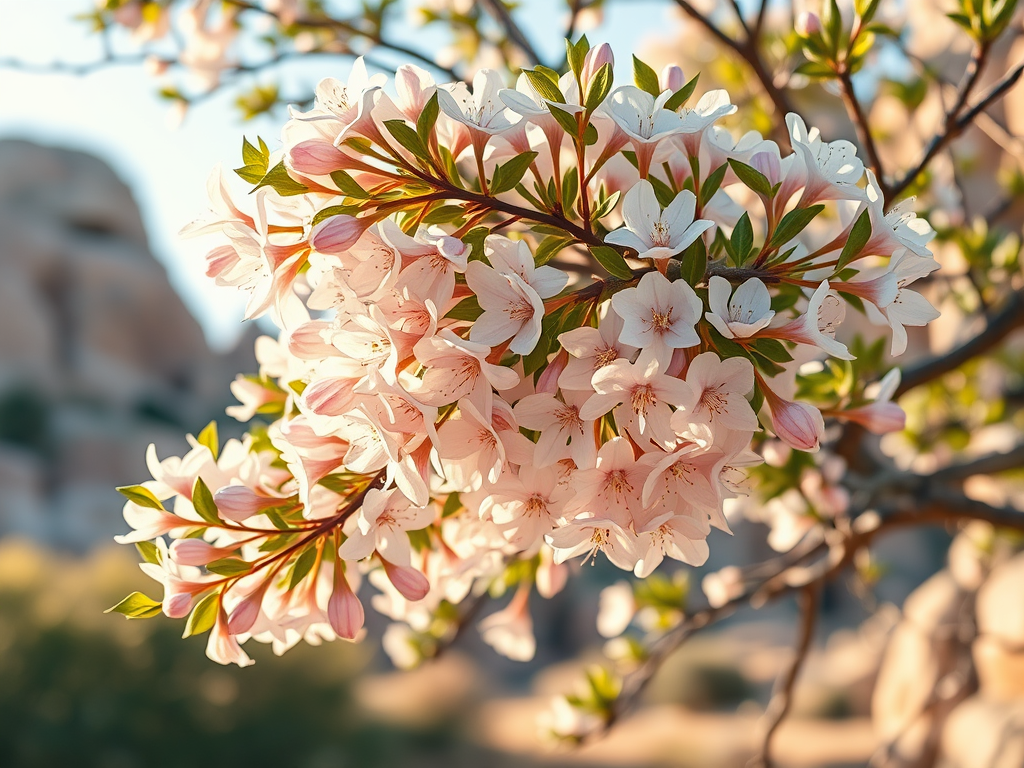
The ultimate guide to growing, caring for, and appreciating this rare Texas-native flowering tree
If you’re searching for a unique, low-maintenance, and drought-tolerant ornamental tree that thrives in Texas heat, look no further than the Anacacho Orchid Tree (Bauhinia lunarioides). Native to a small area in southwest Texas and northeastern Mexico, this rare tree remains one of the most underappreciated gems in Texas landscaping.
In this post, we’ll cover everything you need to know about the Anacacho Orchid Tree—from planting and care tips to its ecological benefits and where to find one. Whether you’re a gardener in Central Texas or a landscaper looking to add biodiversity to your project, this tree is a showstopper.
🌿 What is the Anacacho Orchid Tree?
The Anacacho Orchid Tree is a small, deciduous tree or large shrub that typically grows 6–12 feet tall, with delicate white (and occasionally pink) flowers that resemble miniature orchids. Though it looks tropical, it’s native to the limestone canyons of Kinney County, Texas, and parts of northern Mexico, making it perfectly suited for rocky, dry Texas soils.
Quick Facts:
| Feature | Details |
|---|---|
| Botanical Name | Bauhinia lunarioides |
| Common Names | Anacacho Orchid Tree, Texas Orchid Tree |
| Height | 6–12 feet (can reach up to 15 in ideal conditions) |
| Flower Color | White (occasionally light pink) |
| Bloom Time | Spring (March–May), with potential reblooms |
| Hardiness Zone | USDA Zones 8–10 |
| Soil Preference | Well-drained, alkaline soils |
| Light | Full sun to partial shade |
Fun Fact:
Despite the “orchid” in its name, this tree isn’t an orchid at all—it’s part of the Fabaceae (pea/legume) family, closely related to other Bauhinia species like Hong Kong Orchid Trees.
Source: Lady Bird Johnson Wildflower Center
🌞 Why It’s Perfect for Texas Landscapes
The Anacacho Orchid Tree is native to Texas limestone regions, which means it naturally thrives in drought-prone, alkaline soil. This makes it ideal for:
- Low-water xeriscapes
- Pollinator-friendly native gardens
- Small yards or courtyard spaces
- Foundation planting or decorative tree islands
Unlike many imported flowering trees, the Anacacho Orchid requires little supplemental watering once established, resists most pests, and blends beautifully with other native plants like cenizo (Texas sage), sotol, or native grasses.
Source: Texas A&M AgriLife Extension
🧑🌾 How to Grow & Care for Anacacho Orchid Trees
While not widely planted, this tree is surprisingly easy to grow with the right conditions.
📍 Planting Location
- Choose a spot with full sun or dappled shade
- Best in well-drained, rocky, or sandy soils
- Avoid heavy clay or wet sites
💧 Watering Needs
- Water regularly the first 1–2 years
- After that, water only during prolonged droughts
✂️ Pruning Tips
- Light pruning in winter can shape a multi-trunked or tree-like form
- Remove any frost-damaged growth in early spring
🧊 Cold Sensitivity
- Hardy down to around 15°F, but young trees may need winter protection
- Can resprout from roots if frozen back
Source: Native Plant Society of Texas
🐝 Pollinator Magnet
The fragrant, nectar-rich flowers attract bees, butterflies, and hummingbirds—making the Anacacho Orchid Tree a wonderful addition to any pollinator-friendly garden. Its blooming season from early to mid-spring provides essential food sources at a key time for emerging insects.
Because it’s native, it also fits into local ecosystems without becoming invasive.
Source: Texas Master Gardeners – Bexar County
🌸 Landscaping Ideas
This small ornamental tree works well in both residential and commercial landscapes, particularly where space is limited but high visual impact is desired.
Try planting it:
- As a patio focal point
- Near an entryway
- In rock gardens or cactus beds
- Along a dry creek bed
- In containers (with excellent drainage)
Pair it with salvia, lantana, or yucca for a modern, Texas-tough design that requires little water but delivers year-round texture.
🌱 Where to Buy Anacacho Orchid Trees
Due to its rarity, this tree is usually not found at big-box garden centers. Look for it at:
- Local native plant nurseries
- Texas tree farms
- Spring plant sales hosted by botanical gardens or Native Plant Society chapters
- Occasionally online from specialty growers
Before buying, ensure it’s the true Bauhinia lunarioides and not a tropical Bauhinia variegata, which isn’t cold-hardy in Texas.
Source: Green Gate Nursery – Seguin, TX
🔚 Final Thoughts
The Anacacho Orchid Tree is a little-known gem among Texas native plants. With its compact size, elegant flowers, and low-maintenance nature, it’s ideal for modern landscaping in dry, rocky environments. Whether you’re a novice gardener or a seasoned native plant enthusiast, this rare tree brings beauty, biodiversity, and resilience to any Texas landscape.
📚 Cited Sources
- Lady Bird Johnson Wildflower Center: wildflower.org
- Texas A&M AgriLife: aggie-horticulture.tamu.edu
- Native Plant Society of Texas: npsot.org
- Bexar County Master Gardeners: bexarmg.org
- Green Gate Nursery: greengatenursery.com
 Best Texas Trees
Leave a comment