
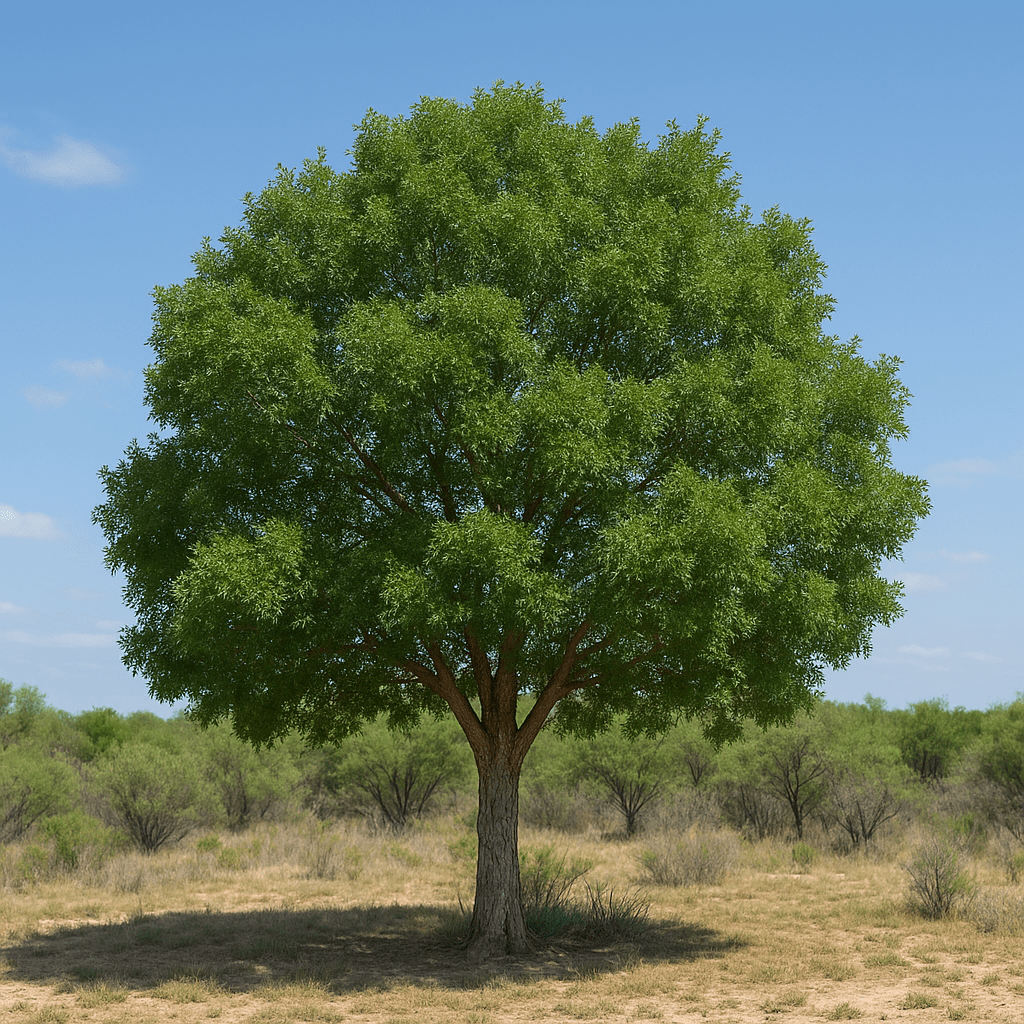
If you’re looking to add beauty, resilience, and ecological value to your Texas landscape, the Texas Pistache (Pistacia texana) is a tree worth discovering. Often overshadowed by flashier species, this lesser-known native offers quiet strength, natural charm, and powerful environmental benefits — especially for areas like Central, West, and Hill Country Texas.
🌳 What is the Texas Pistache?
The Texas Pistache, also known as Mexican Pistache or Wild Pistache, is a small deciduous tree native to Texas and northern Mexico. Typically reaching heights of 10 to 20 feet, it features a rounded crown with finely textured foliage and brilliant fall color that ranges from fiery orange to deep red. It is drought-tolerant, easy to maintain, and perfect for low-water landscapes.
This tree is not to be confused with the Chinese Pistache (Pistacia chinensis), a popular ornamental with similar characteristics. The Texas Pistache is a true native, and that gives it some serious advantages when it comes to thriving in Texas conditions.
💧 Drought-Tolerant and Hardy
One of the biggest selling points of the Texas Pistache is its remarkable drought resistance. Once established, it requires minimal watering and is well-adapted to Texas’s hot, dry summers. This makes it an ideal choice for xeriscaping or for property owners looking to conserve water without sacrificing visual appeal.
Its natural habitat includes rocky hillsides, limestone soils, and semi-arid areas — conditions where many imported ornamentals struggle. For West and Central Texans dealing with tough soil and inconsistent rainfall, the Texas Pistache is a dependable performer.
🌱 Perfect for Native and Wildlife-Friendly Landscapes
Because it’s a native tree, Pistacia texana supports local ecosystems in a way that non-native trees often don’t. Birds, butterflies, and beneficial insects all benefit from its presence. Its small red fruits are loved by songbirds and mammals, helping increase biodiversity in your landscape.
It’s also deer-resistant, which is a big win for rural and suburban landowners who frequently battle browsing damage.
If you’re looking to create a wildlife-friendly garden or native plant habitat, this tree should be on your shortlist.
🧬 A Tree of Many Traits
In addition to being native and drought-tolerant, Texas Pistache also offers low maintenance needs. It has few pest issues, doesn’t require heavy pruning, and tolerates both full sun and partial shade. It’s especially useful for:
Small urban yards Dry rural properties Pollinator-friendly gardens Mixed native landscapes
It thrives in alkaline, rocky, and clay-heavy soils, making it a smart option for homeowners in Hill Country and Central Texas regions where soil quality can challenge more delicate species.
🍂 Beautiful Fall Foliage
Many Texas trees don’t offer much in the way of fall color, but Texas Pistache is a lovely exception. Its leaves turn shades of brilliant red, burnt orange, and golden yellow in autumn, adding seasonal drama to your landscape. Combined with its modest size and attractive rounded shape, it’s perfect for adding ornamental appeal without overwhelming your space.
🪴 Ideal Placement and Uses
Texas Pistache works well as a:
Front yard specimen tree Patio tree Wildlife-friendly hedgerow Low-water foundation planting
Its smaller size makes it easier to plant near homes or fences, and its upright form gives it versatility. While it won’t grow tall enough to be a major shade tree, it offers dappled cover that’s perfect for seating areas or sunny decks.
📍 Best Regions for Growth
This tree is best suited for the following Texas regions:
Central Texas (especially Austin, San Antonio, Waco) Hill Country (Fredericksburg, Kerrville, Marble Falls) West Texas (El Paso, Midland, Abilene)
It’s well adapted to rocky limestone soils, high summer heat, and low annual rainfall. Avoid planting in very wet or poorly drained soil, as it prefers good drainage.
🌐 Summary of Categories
Here’s a quick rundown of where the Texas Pistache fits in our tree classification system:
🌿 By Function:
Ornamental Trees – small size, beautiful form, and stunning fall color Low Maintenance Trees – minimal pruning or watering once established
📍 By Region:
Central Texas Trees – well adapted to limestone and heat Hill Country Trees – native to rocky hillsides and alkaline soils West Texas Trees – thrives in semi-arid conditions
🌎 By Environmental Benefit:
Drought-Tolerant Trees – excellent choice for xeriscapes and low-water areas Trees That Support Wildlife – attracts birds and pollinators
🧬 By Traits:
Native Texas Trees – regionally native to Central & West Texas Deciduous Trees – drops leaves in winter, beautiful in fall Trees for Alkaline Soil – ideal for rocky and high pH conditions Small Trees for Yards – compact size for urban or suburban settings
🌟 Final Thoughts
The Texas Pistache is a smart, sustainable, and beautiful choice for any Texan looking to upgrade their landscape with a tree that’s both practical and attractive. It’s a low-maintenance native species that adds charm, seasonal interest, and ecological value — all without needing extra water or care.
Whether you’re planting for wildlife, color, or conservation, this unsung hero of the Texas tree world deserves your attention.
 Best Texas Trees
Leave a comment