
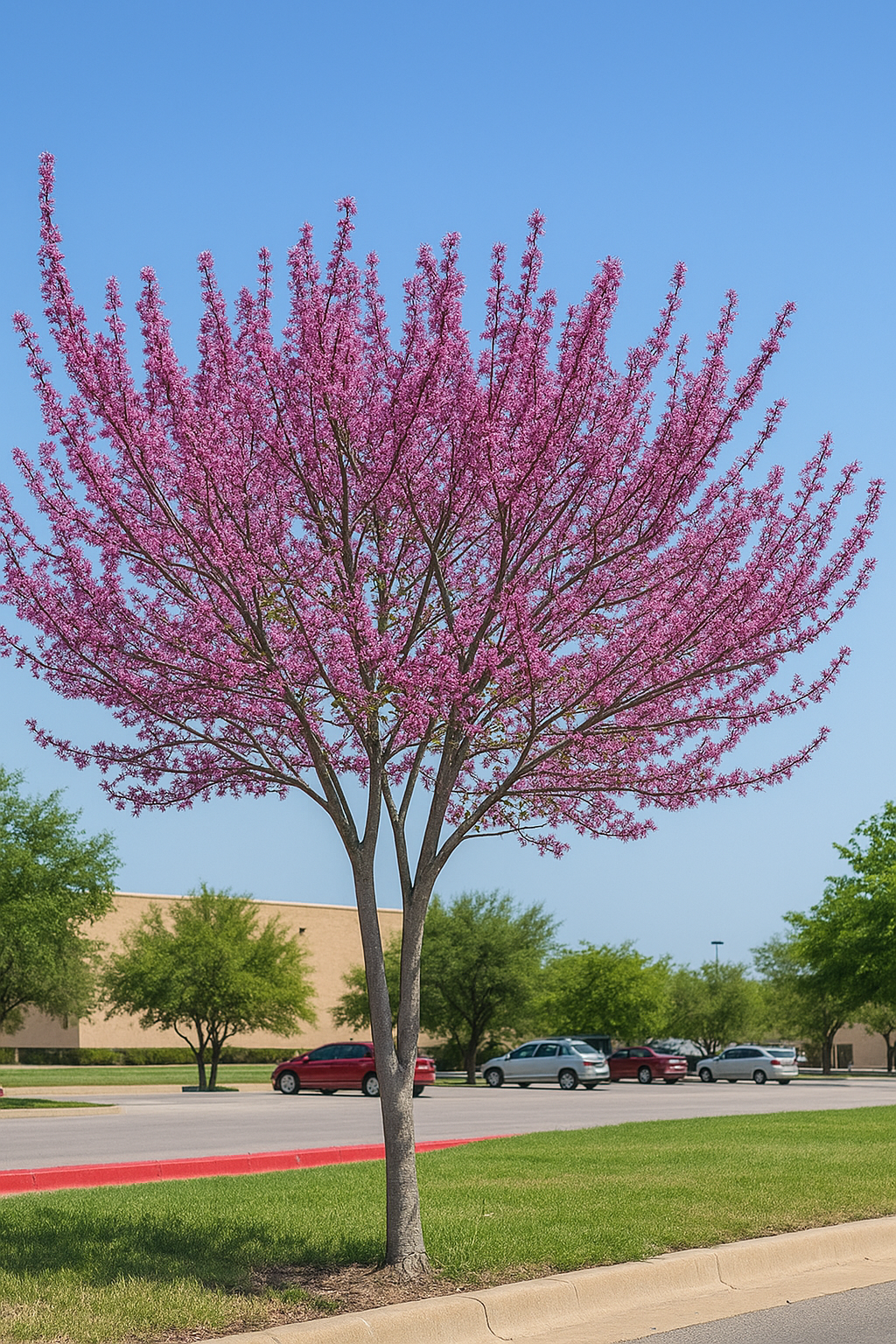
The Mexican Buckeye (Ungnadia speciosa) is a standout choice for Texas homeowners, landscapers, and conservationists seeking a low-maintenance, eye-catching tree that thrives in challenging environments. Native to West and Central Texas, this charming small tree or large shrub boasts vibrant pink blooms, drought resilience, and a versatility that makes it a valuable addition to both wildscapes and cultivated gardens. In this article, we’ll explore everything you need to know about the Mexican Buckeye—its benefits, growth habits, ideal planting conditions, and the tree categories it naturally belongs in.
🌿 What Is the Mexican Buckeye?
Despite its name, the Mexican Buckeye is not a true buckeye from the Aesculus genus. It belongs to the soapberry family (Sapindaceae), and while it produces large, dark brown seed pods that resemble toxic buckeye seeds, the two are botanically distinct. Native to rocky hillsides, limestone slopes, and dry creek beds of Texas, northern Mexico, and New Mexico, this deciduous tree is a rugged and beautiful specimen perfect for the often harsh Texas climate.
🌸 Visual Appeal and Seasonal Interest
The Mexican Buckeye puts on a show in early spring, often before its leaves emerge. It bursts into fragrant, rose-pink flowers that attract pollinators like bees and butterflies. These blooms create a striking contrast against its smooth, gray bark and twisted limbs, adding ornamental value when other trees remain dormant. In the fall, its foliage transitions to golden yellow, providing another season of beauty.
Its distinctive 3-lobed, leathery seed pods appear in summer and persist through winter, offering texture and structure even in dormancy. These features make the Mexican Buckeye a four-season highlight for Texas gardens.
📏 Growth Habits and Size
Mexican Buckeye typically grows as a multi-trunked tree, reaching heights of 10–20 feet and spreading 10–15 feet wide. It can be trained into a single-trunked specimen if desired. Because of its modest size and slow to moderate growth rate, it’s well-suited for urban yards, xeriscapes, and as a feature tree in small spaces.
💧 Water-Wise and Soil-Friendly
One of the top reasons the Mexican Buckeye is such a popular choice in Texas is its drought tolerance. Once established, it requires minimal supplemental water. It thrives in well-draining soils—especially rocky, sandy, or limestone-based—making it perfect for regions where other species might struggle. It’s also resistant to most pests and diseases, reducing maintenance demands.
🐝 A Pollinator Magnet and Wildlife Resource
The tree’s fragrant flowers draw in bees, butterflies, and other important pollinators in spring. Birds may also use its limbs for nesting and shelter. While its seeds are considered toxic to humans and livestock if ingested, wildlife generally avoids them, reducing concerns for ranchers and land managers.
🏡 Ideal Uses in Landscaping
The Mexican Buckeye is perfect for:
Ornamental planting near patios or entryways Xeriscaping in drought-prone areas Natural fencing or low privacy screens Wildlife and pollinator gardens Understory tree in a native landscape Erosion control on dry slopes
It adapts well to pruning, so you can shape it to fit your landscape vision—whether formal or wild.
📂 Which Categories Does the Mexican Buckeye Belong In?
The Mexican Buckeye naturally fits into several of our curated Texas tree categories:
🌿 By Function:
Ornamental Trees – For its vibrant flowers and architectural shape Flowering Trees – Due to its stunning early-season blooms Low Maintenance Trees – Minimal care once established
📍 By Region:
Central Texas Trees – Thrives in places like Austin, Waco, and the Hill Country West Texas Trees – Native to dry and rocky areas like El Paso and Big Bend Hill Country Trees – Naturally adapted to limestone and rugged terrain
🌎 By Environmental Benefit:
Drought-Tolerant Trees – One of the most resilient native trees in Texas Pollinator-Friendly Trees – Attracts bees and butterflies during early spring Trees That Fight Erosion – Great for slopes and dry arroyos
🧬 By Traits:
Native Texas Trees – Indigenous to the Lone Star State Deciduous Trees – Loses its leaves in fall, returning with a burst of spring color Small Trees for Yards – Ideal size for urban or suburban settings Trees for Alkaline Soil – Handles the high-pH soils common in Texas Trees for Sandy Soil – Does well in sandy, loamy, or rocky ground
🌱 Planting and Care Tips
Planting Time: Fall or early spring Sunlight: Full sun to partial shade Water Needs: Low once established Soil: Prefers well-draining soils; tolerates rocky, sandy, and alkaline soil Spacing: Plant at least 8–10 feet away from structures or other trees Pruning: Light pruning in winter to shape or remove suckers
🛑 Important Notes
While the tree is non-toxic to the touch, its seeds are not edible and should be kept away from pets or children who may try to eat them. The tree can be slow to start growing, but it is worth the wait for its long-term performance and beauty.
📌 Final Thoughts
If you’re looking to plant a native Texas tree that combines beauty, resilience, and ecological benefit, the Mexican Buckeye checks all the boxes. Whether you’re working with a tight yard in Central Texas or a wide-open landscape in the Hill Country, this flowering gem will reward you with minimal upkeep and maximum seasonal interest. It’s not only a smart investment in your property—it’s a contribution to the biodiversity and sustainability of Texas itself.
 Best Texas Trees
Leave a comment